





By Ben Clarke | Published on 23rd January 2026
The Science Behind Spa Benefits for Mental and Physical Health
Warm baths have long been associated with rest, recovery and relaxation, but interest has grown in understanding why they feel so beneficial. While much of the enjoyment is subjective, research into bathing, hydrotherapy and water immersion suggests there may be measurable effects on both physical and mental wellbeing. Rather than offering instant solutions, spa bathing could form part of a broader lifestyle approach to managing stress, supporting recovery and creating moments of calm at home.
Understanding hydrotherapy
Hydrotherapy generally refers to the use of water for therapeutic purposes, often involving changes in temperature, pressure or buoyancy. This can include warm spa baths, contrast bathing and gentle water massage. Scientific literature suggests that water immersion may influence circulation, muscle tone and nervous system activity, although responses can vary depending on the individual and how the bath is used.
Rather than acting as a treatment in isolation, hydrotherapy is often discussed as a supportive tool that may complement rest, exercise and other wellness practices.
Physical health benefits
Circulation and blood flow
Warm water immersion has been shown to increase blood flow near the surface of the skin, which could potentially support circulation throughout the body. This response is thought to be linked to the natural widening of blood vessels when exposed to heat. Some studies suggest this effect may resemble light physical activity, which could explain why spa bathing is sometimes associated with feelings of warmth, relaxation and physical ease.
Muscle comfort and recovery
Many people use spa baths to unwind after physical activity, and research into warm water immersion suggests it may help muscles feel more relaxed. The buoyancy of water reduces pressure on joints and soft tissues, which could make movement feel easier and more comfortable. These effects are often discussed in relation to recovery routines, similar to those explored in our article on modern whirlpool bath features designed for recovery.
Water jets found in many spa baths may also encourage gentle movement of muscles, which could contribute to temporary relief from stiffness. This aligns with broader discussions around natural approaches to easing muscle tension, such as those covered in our guide to reducing muscle tension at home.
Joint mobility
Exposure to warmth may help tissues become more flexible, which could support comfortable movement during and after bathing. For some people, this may make spa baths feel particularly appealing after long periods of sitting or physical exertion.
Mental health benefits
Stress and relaxation
One of the most commonly reported benefits of spa bathing is a sense of relaxation. Research into warm water immersion suggests it may encourage the body to shift into a more restful state, potentially influencing stress responses. This process is thought to involve the nervous system, although individual experiences can differ.
Creating a calm bathing environment may further enhance this effect, echoing themes looked at in recreating spa day experiences at home.
Mood and emotional wellbeing
Some studies exploring hydrotherapy have suggested a possible link between warm water immersion and improved mood. While results vary, the combination of warmth, sensory stimulation and quiet time may help create a mental break from daily pressures. This could be particularly valuable as part of a regular self care routine.
Sleep quality
There is growing interest in how bathing may affect sleep. Research into body temperature regulation suggests that warming the body before bed, followed by gradual cooling, might help support the natural sleep cycle. For some people, an evening spa bath could therefore become a calming signal that it is time to unwind.
How spa baths may support wellbeing
The potential benefits of spa baths are often linked to a combination of physical and sensory effects. Warmth may encourage muscle relaxation, buoyancy reduces strain on the body, and water movement can provide gentle stimulation. Together, these factors could help explain why spa bathing feels restorative for many people.
Some hydrotherapy approaches also involve cooler water, which has been studied for its possible effects on inflammation and circulation. However, research in this area is still developing, and responses can differ widely between individuals.
When used thoughtfully, spa baths may offer a flexible way to support comfort and relaxation, which you can read more about in our article on bathing and muscle soreness.
Making spa bathing part of daily life
To get the most from a spa bath, many people choose moderate water temperatures and limit sessions to manageable lengths. Staying hydrated and listening to how your body responds is important. Rather than aiming for dramatic results, spa bathing may be most effective when used regularly as part of a balanced routine.
Design and comfort also play a role in how enjoyable a spa bath feels, which is why modern bathroom trends continue to evolve, such as in our post on round baths making a comeback.
Relaxing whirlpool baths at Luna Spas
While spa baths are not a cure all, research suggests they may offer meaningful support for both physical and mental wellbeing when used thoughtfully. From encouraging relaxation to easing everyday discomfort, the science around hydrotherapy continues to grow, pointing towards its potential role in modern self care.
At Luna Spas, this understanding is reflected in a wide range of luxury whirlpool baths designed to bring comfort, relaxation and a touch of indulgence into everyday life. With carefully considered designs, advanced jet systems and premium finishes, Luna Spas makes it easier to enjoy the possible benefits of spa bathing from the comfort of your own home.
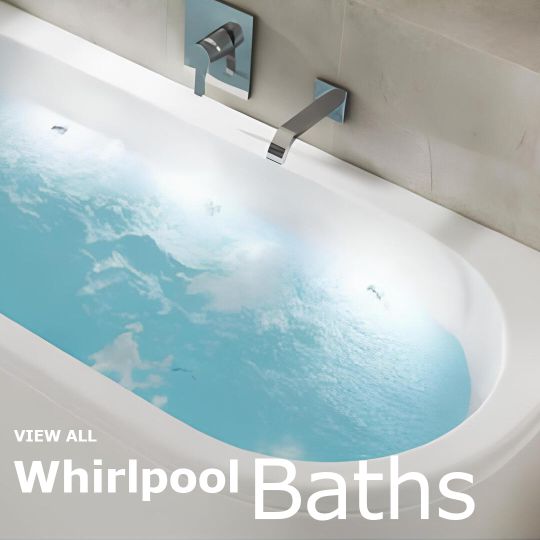
View our full range of luxury and relaxing whirlpool spa baths.
Related Posts
-
How to stop paint peeling in your bathroom
If you've got paint peeling off the walls and ceiling of your bathroom then you're probably a bit disheartened and concerned ...
-
Limescale build-up in your bath and how to remove it
There are few things more irritating than stepping into your bathroom and noticing dull, chalky marks spoiling the smooth sur...
-
Inset bath ideas
When it comes to overcoming the stresses and strains of everyday life, there's absolutely nothing better than sinking deep in...
-
What products can you use in a whirlpool bath?
Relaxing in your whirlpool bath is one of life’s simple pleasures. Whether you're easing sore muscles or unwinding after a st...
-
Exploring the Top Features of Modern Whirlpool Baths for Recovery
Recovery has become an essential part of modern life. Whether you’re unwinding after exercise, easing the physical effects of...
-
The Art of Self Care: Incorporating Hot Baths into Your Routine
In a world that rarely slows down, self care has gone from being a luxury to a genuine necessity. More than just indulgence, ...
-
Can You Wear Headphones in the Bath?
Listening to music, a podcast or even an audiobook while soaking in the bath sounds like the ultimate way to switch off. For ...
-
Why Relaxing in a Whirlpool Bath Is More Than Just a Luxury
For many people, the idea of a whirlpool bath still conjures images of five-star hotels and indulgent spa breaks. While there...
-

A Big Thank You From Luna Spas!
Your first steps with your new luxury whirlpool bath Thank you for choosing Luna Spas. Each of our baths is handcrafted in t...
-
How to Turn Your Bathroom Into a Personal Wellness Sanctuary
Your bathroom can be more than a functional space. With a few thoughtful changes, it can become a calming retreat that suppor...


